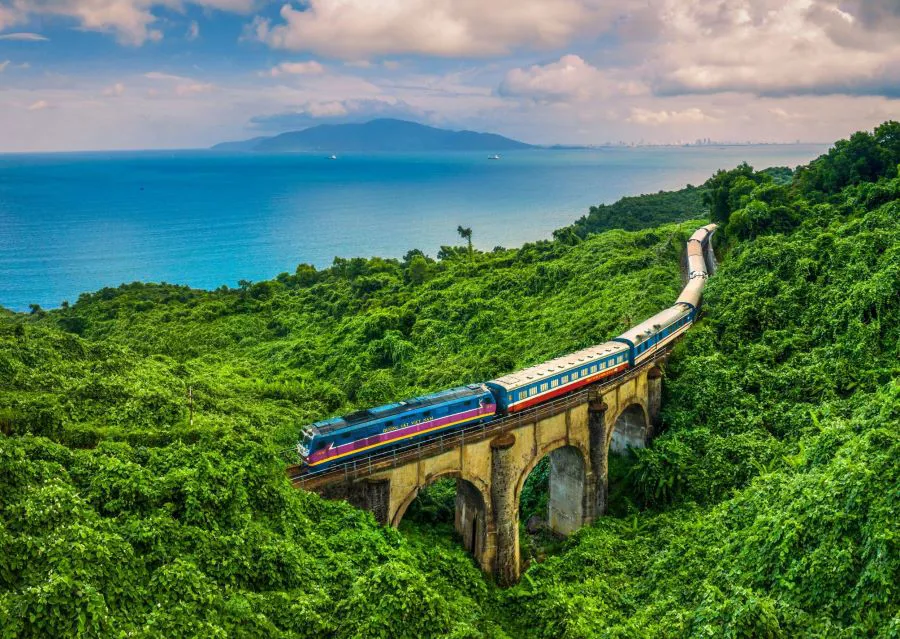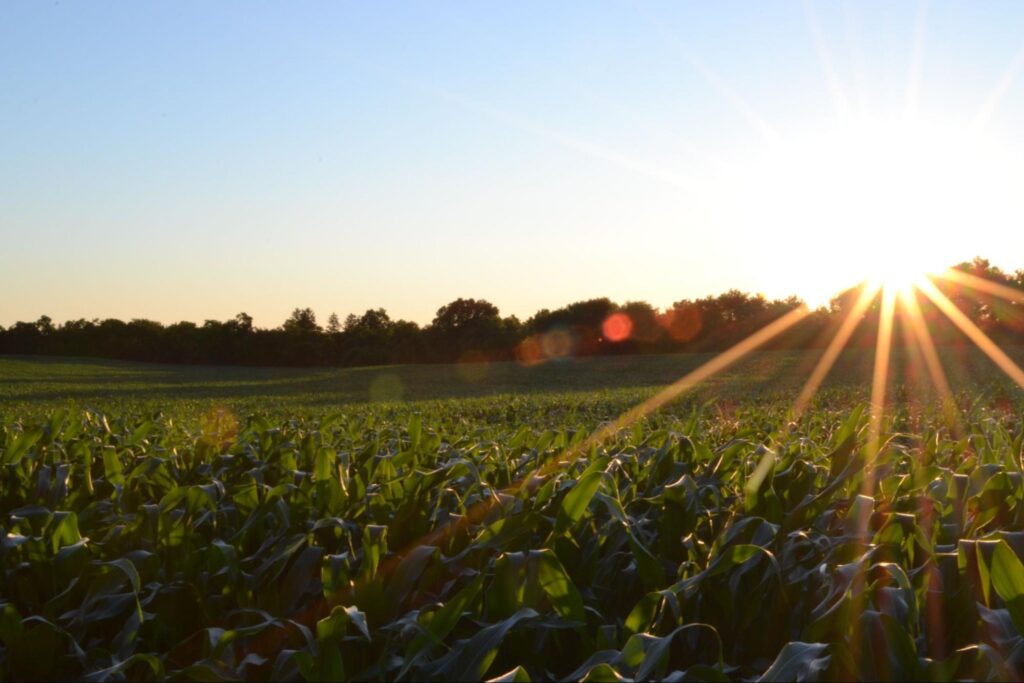
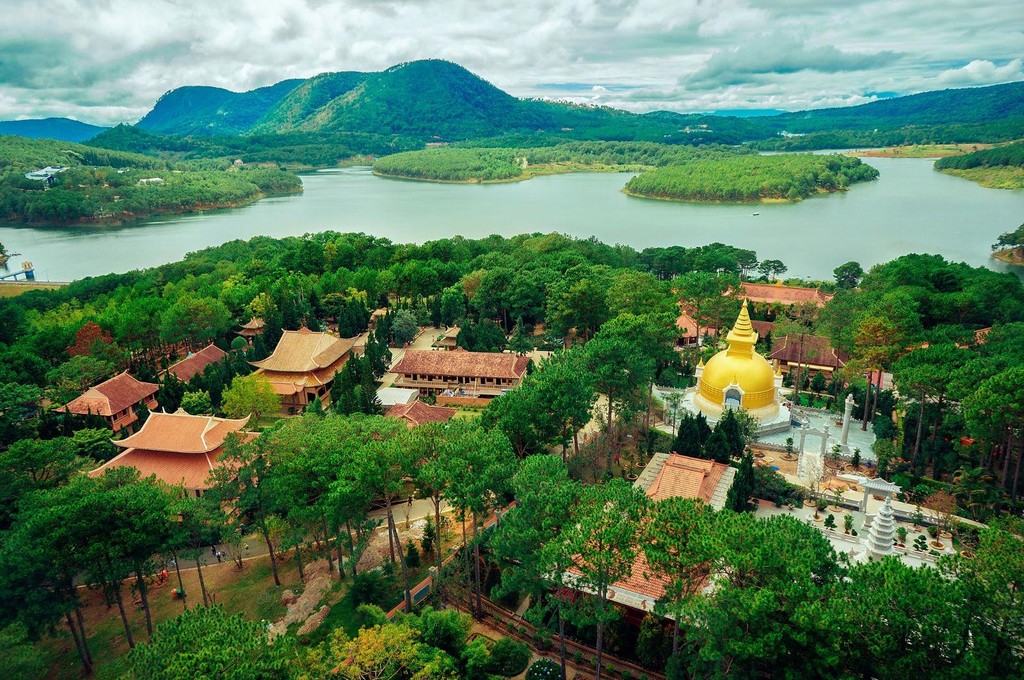
TLDR: This guide is designed for solo travelers eager to explore Da Lat, a charming city in Vietnam’s Central Highlands known for its cool climate, French colonial architecture, beautiful waterfalls, and rolling hills. Nicknamed the “City of Eternal Spring,” Da Lat offers a peaceful escape from Vietnam’s heat, making it an ideal destination for adventure, relaxation, and cultural immersion. From visiting flower gardens to hiking through pine forests, Da Lat provides a perfect blend of outdoor activities and cultural experiences. We’ll take you through the best activities month by month and recommend the best time to visit based on the city’s temperate weather.
Highlight
A must-do in Da Lat is a visit to Xuan Huong Lake and Da Lat Market, where you can enjoy the serene beauty of the lake followed by a bustling market experience filled with local produce, street food, and handmade goods. Whether you’re strolling along the lakeside or shopping for fresh strawberries and artichokes, Da Lat’s central area offers a peaceful yet lively atmosphere.
About Da Lat
Da Lat, located in the Central Highlands of Vietnam, is known for its temperate climate, making it a popular destination for locals and tourists alike seeking a cooler environment. The city’s European-style architecture, flower gardens, and scenic landscapes make it a favorite among nature lovers, couples, and solo travelers alike.
The city’s mountainous surroundings offer endless opportunities for outdoor activities, including hiking, biking, and visiting waterfalls like Pongour and Elephant Falls. Da Lat is also famous for its agricultural products, especially strawberries, coffee, and flowers, which are grown in the region’s rich volcanic soil.
Da Lat experiences a year-round cool climate, with temperatures averaging between 15°C (59°F) and 25°C (77°F). The best time to visit is during the dry season, from November to March, when the skies are clear and the air is fresh, making it perfect for outdoor activities.
Getting to Da Lat
The nearest airport is Lien Khuong Airport (DLI), about 30 kilometers from Da Lat’s city center. There are several domestic flights from major Vietnamese cities, including Hanoi, Ho Chi Minh City, and Da Nang.
Connections:
- From Ho Chi Minh City to Da Lat: Direct flights to Da Lat are available from Tan Son Nhat International Airport in Ho Chi Minh City, with prices ranging from $40 to $100 depending on the season.
- From Hanoi to Da Lat: Direct flights from Hanoi’s Noi Bai International Airport take about 1.5 hours and typically cost between $50 and $120 round-trip, depending on the time of year.
What Else To Know When Visiting Da Lat
Accommodation Tips
Solo Friendly: Da Lat offers a range of accommodations for solo travelers, from budget hostels to charming boutique hotels. Staying near Xuan Huong Lake or in the Old French Quarter is ideal for easy access to the main attractions, cafes, and markets.
Hostel Options: The Dalat 24h Guesthouse and The Cozy Nook Hostel are highly rated for solo travelers. These hostels feature communal spaces, organized tours, and friendly staff, making them great spots to meet fellow travelers. Check out more options on Hostelworld.
Food and Drink
Dining Solo: Da Lat is famous for its fresh produce and street food, and solo travelers will find plenty of affordable options at Da Lat Market and nearby street vendors. Try local dishes like banh can (mini pancakes with quail eggs) and nem nuong (grilled pork skewers). Many of the city’s cafes also offer delicious Vietnamese coffee and light snacks, perfect for solo diners.
Da Lat Safety
Staying Safe: Da Lat is a safe city for solo travelers. The friendly locals and peaceful environment make it a stress-free destination. However, if you plan to explore the waterfalls or go hiking, it’s best to go with a guide or inform your accommodation about your plans, especially in remote areas.
Language and Culture
Language Basics: English is widely spoken in tourist areas, but learning a few basic Vietnamese phrases such as “Xin chào” (Hello) and “Cảm ơn” (Thank you) will be appreciated by locals, especially when visiting local markets or smaller shops.
Getting Around
Transportation: Da Lat is small and walkable, but for exploring further afield, motorbike rentals are popular and affordable. Taxis and Grab (ride-hailing) are also widely available and cost-effective for short distances. Bicycles are another good option for those wanting to explore the city at a slower pace.
Meeting Fellow Travelers
Social Hotspots for Solo Travelers: Da Lat’s hostels, cafes, and markets are ideal places to meet fellow travelers. The Cozy Nook Hostel is known for its social atmosphere, with communal dinners and organized tours that make it easy to connect with other adventurers. Da Lat’s many cafes, especially around Xuan Huong Lake, are also popular spots for solo travelers to meet up for a coffee or chat.
Many hostels organize day trips to popular attractions like Elephant Falls or the Dalat Crazy House, giving solo travelers a chance to bond with others over shared experiences. If you’re interested in hiking, joining a guided trek up Lang Biang Mountain or through the pine forests surrounding the city is a fantastic way to meet fellow adventurers.
As Megan, a 26-year-old solo traveler from New Zealand, put it:
“I stayed at The Cozy Nook Hostel, and it felt like a home away from home. The communal dinners were amazing—everyone sat together and shared stories about their travels. I ended up joining a few people I met there for a waterfall tour, and we had an unforgettable time exploring the area together. Da Lat really has a way of bringing travelers together.”
General Pricing in Da Lat
Da Lat is affordable, making it an excellent destination for solo travelers. Here’s an overview of general pricing:
- Accommodation: Dorm beds in hostels range from $5 to $12 per night, while mid-range hotels cost between $20 and $50 per night. Boutique hotels and eco-lodges start at around $60 per night.
- Food: Street food meals cost between $1 and $3, while dining at a mid-range restaurant might cost between $5 and $10. Fresh produce at the local markets is also inexpensive, with strawberries and other fruits sold by the kilogram.
- Transportation: Motorbike rentals cost about $5 to $10 per day, while short taxi rides around the city cost between $1 and $3.
- Attractions: Entry to local attractions like Dalat Flower Garden or Dalat Railway Station costs around $1 to $3, while guided tours to the waterfalls or surrounding countryside start at $10 to $30.
What’s On In Da Lat Month By Month
Da Lat offers unique experiences throughout the year, whether you’re exploring the city’s French colonial architecture or hiking through pine forests. Here’s what to expect each month.
January: Flower Festival and Cool Weather
January is one of the coolest months in Da Lat, and the city’s famous Flower Festival often falls during this time. The streets are decorated with vibrant flowers, and the Dalat Flower Garden is a must-visit. It’s the perfect time for outdoor activities like hiking or biking, as the cool weather makes exploring the city comfortable.
Tourism is high in January, as both local and international tourists flock to Da Lat for the Flower Festival. Visitors this month are often flower enthusiasts, photographers, and nature lovers.
Weather: Cool and dry, with temperatures ranging from 12-22°C (54-72°F).
Location: Dalat Flower Garden, Xuan Huong Lake
Cost/Budget: Flower Garden entry is around $2; personal expenses for tours and food.
February: Tet and Local Celebrations
February is the month of Tet (Vietnamese Lunar New Year), and Da Lat celebrates with vibrant local festivities. The city is quiet for a few days as locals gather with their families, but the surrounding flower fields and markets remain open for exploration. It’s a spiritual and peaceful time to visit.
Tourism picks up slightly during Tet, with many families and couples visiting Da Lat for the holiday. Solo travelers seeking a quieter, cultural experience will enjoy the peaceful atmosphere.
Weather: Cool and dry, with temperatures between 14-23°C (57-73°F).
Location: Local temples, Da Lat Market
Cost/Budget: Free to enjoy public celebrations; personal expenses for food and souvenirs.
March: Explore Waterfalls and Hike Lang Biang Mountain
March is an excellent time to visit Da Lat’s beautiful waterfalls like Elephant Falls or Pongour Falls, as the weather remains cool and clear. For adventure-seekers, it’s also a great time to hike Lang Biang Mountain for panoramic views of the surrounding countryside.
Tourism remains steady in March, with many visitors seeking outdoor adventures. This month attracts solo travelers, hikers, and nature lovers looking to explore the area’s natural beauty.
Weather: Mild and dry, with temperatures ranging from 15-25°C (59-77°F).
Location: Elephant Falls, Lang Biang Mountain
Cost/Budget: Guided hiking tours start at $20.
April: Visit the Tea and Coffee Plantations
April marks the start of warmer weather, and it’s the perfect time to visit Da Lat’s famous tea and coffee plantations. Many local farms offer tours, where you can learn about the growing and harvesting process and sample some of Vietnam’s finest tea and coffee. The area’s rolling hills and cooler temperatures make for a pleasant day trip.
Tourism in April picks up as the dry season continues, with visitors enjoying the opportunity to explore the agricultural side of Da Lat. This month attracts solo travelers, foodies, and coffee enthusiasts.
Weather: Warm and dry, with temperatures between 17-27°C (63-81°F).
Location: Local tea and coffee plantations
Cost/Budget: Farm tours cost between $5 and $10.
May: Enjoy the Last of the Dry Season
May is one of the last months of the dry season, and it’s an ideal time to explore Da Lat’s outdoor attractions before the rains begin. The city’s parks, gardens, and nearby forests are lush and green, making it perfect for hiking or cycling. It’s also a great time to visit the Dalat Railway Station or explore the city’s many colonial-era buildings.
Tourism remains high in May, as visitors take advantage of the favorable weather. Solo travelers and couples looking to experience Da Lat’s natural beauty are common this month.
Weather: Warm with occasional showers, temperatures between 18-28°C (64-82°F).
Location: Dalat Railway Station, local gardens
Cost/Budget: Entry fees to attractions are around $1 to $3.
June: Start of the Rainy Season
June marks the start of the rainy season in Da Lat, but it’s still a good time to visit the city’s indoor attractions like the Dalat Crazy House or Bao Dai’s Summer Palace. The rains are usually short, and the lush scenery makes the city’s gardens even more beautiful. Xuan Huong Lake remains a popular spot for relaxing walks between showers.
Tourism begins to slow down in June, making it a quieter time for solo travelers who enjoy fewer crowds. The majority of visitors this month are couples and solo adventurers seeking a peaceful getaway.
Weather: Warm with frequent rain, temperatures between 19-27°C (66-81°F).
Location: Bao Dai’s Summer Palace, Xuan Huong Lake
Cost/Budget: Entry to attractions ranges from $2 to $5.
July: Visit Local Markets and Waterfalls
July is part of the rainy season, but it’s still a good time to visit Da Lat’s Da Lat Market or explore the waterfalls. Pongour Falls is particularly beautiful after the rain, as the increased water flow creates stunning cascades. The city’s markets are also vibrant with fresh produce, including strawberries and artichokes.
Tourism remains low in July, making it an ideal time for solo travelers seeking a more tranquil experience. Visitors who come during this month are often nature lovers and food enthusiasts.
Weather: Warm with frequent showers, temperatures between 19-26°C (66-79°F).
Location: Da Lat Market, Pongour Falls
Cost/Budget: Market visits are free; waterfall entry is around $2.
August: Explore the Lush Greenery
August continues the rainy season, but it’s also one of the most beautiful times to explore Da Lat’s lush gardens and parks. The Dalat Flower Garden is in full bloom, and the city’s pine forests are vibrant and green. While outdoor activities may be limited by rain, there are still plenty of indoor attractions to explore, such as local cafes and museums.
Tourism in August is low, making it a peaceful time to visit. Many solo travelers and nature lovers enjoy the serene atmosphere and the beauty of the surrounding landscape.
Weather: Cool with occasional rain, temperatures between 18-26°C (64-79°F).
Location: Dalat Flower Garden, local parks
Cost/Budget: Entry fees to gardens and parks range from $1 to $3.
September: Visit the Pagodas and Explore the City
September sees the rains begin to ease, making it a good time to explore Da Lat’s cultural and religious landmarks. The Truc Lam Zen Monastery and Linh Phuoc Pagoda are beautiful and peaceful spots for solo travelers seeking a cultural experience. The cooler weather also makes exploring the city’s colonial architecture enjoyable.

Tourism starts to pick up in September, with visitors drawn by the cooler temperatures and less frequent rains. Solo travelers and cultural enthusiasts will enjoy the quieter streets and fewer crowds at popular attractions.
Weather: Cool with occasional rain, temperatures between 17-25°C (63-77°F).
Location: Linh Phuoc Pagoda, Truc Lam Zen Monastery
Cost/Budget: Free to visit pagodas; personal expenses for food and transportation.
October: Cool Weather and Perfect for Hiking
October is one of the best months for outdoor activities in Da Lat, as the rains taper off and the weather cools. Hiking to Lang Biang Mountain or cycling through the pine forests are popular activities. The city’s parks and gardens are still lush and green, making it a beautiful time to explore the surrounding landscapes.
Tourism increases in October as outdoor enthusiasts and solo travelers arrive to take advantage of the cool, clear weather. Hikers, photographers, and nature lovers are common visitors during this time.
Weather: Cool and dry, with temperatures between 15-24°C (59-75°F).
Location: Lang Biang Mountain, local parks
Cost/Budget: Hiking tours cost between $15 and $30.
November: Start of the Dry Season
November marks the start of the dry season in Da Lat, and the weather is perfect for exploring the city’s outdoor attractions. The Dalat Flower Garden is still in bloom, and the cool temperatures make hiking and biking enjoyable. The city’s French colonial architecture is especially charming during this time.
Tourism picks up significantly in November as the dry season begins, with solo travelers, couples, and families visiting for the holidays. The clear skies and cool weather attract a diverse range of visitors.
Weather: Cool and dry, with temperatures between 14-23°C (57-73°F).
Location: Dalat Flower Garden, local parks
Cost/Budget: Entry fees range from $1 to $5.
December: Christmas in Da Lat
December is one of the best months to visit Da Lat, with cool and dry weather making it perfect for outdoor activities and exploring the city’s holiday decorations. Many hotels and cafes offer Christmas and New Year’s events, making it a festive time to visit. The cool temperatures make the city feel more like a European town, and the crisp mountain air is refreshing.
Tourism peaks in December, with international visitors and locals coming to celebrate the holidays. Solo travelers will find plenty of opportunities to join in the festivities, whether at hostels or local events.
Weather: Cool and dry, with temperatures between 12-22°C (54-72°F).
Location: Xuan Huong Lake, local cafes and hotels
Cost/Budget: Personal expenses for holiday events and meals.
Best Time to Visit Da Lat
The best time to visit Da Lat is during the dry season, from November to March, when the weather is cool and perfect for outdoor activities like hiking, cycling, and exploring the city’s natural beauty.
Heading Back
That concludes our month-by-month guide to Da Lat. Whether you’re exploring the stunning waterfalls, biking through pine forests, or enjoying a peaceful walk around Xuan Huong Lake, Da Lat offers an unforgettable experience for solo travelers. Its cool climate, scenic landscapes, and welcoming atmosphere make it one of Vietnam’s most charming destinations.
Source: www.hostelworld.com